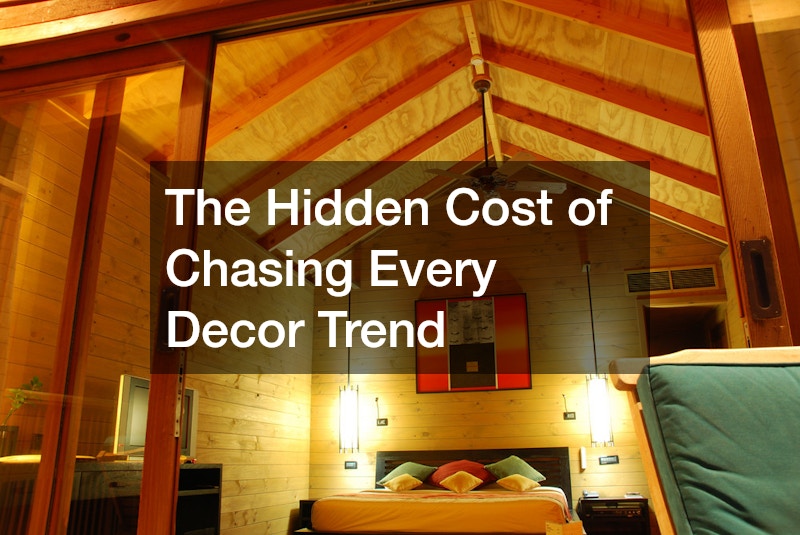

Scrolling through social media, it is easy to feel like your home is perpetually out of date. Every few months a new decor trend promises to transform your space, and the pressure to keep up can quietly drain both your wallet and your patience. But chasing trends often means neglecting the systems and structures that actually keep a home safe, comfortable, and valuable. Before you swap out another light fixture or repaint another accent wall, it is worth asking whether your money is going toward style or substance.
The Real Price Tag Behind Trendy Furniture Swaps
Trend-driven furniture purchases add up faster than most homeowners realize, especially when styles shift every one to two years. A sofa that felt essential last spring can look dated by next winter, leaving you with a piece that is hard to resell and expensive to replace. Unlike structural investments, trendy furniture rarely holds value or improves the function of your home.
The irony is that many people cut corners on maintenance to afford these purchases, which can lead to costlier problems later. Skipping a scheduled inspection to buy a viral accent chair might save money today but create bigger expenses down the road.
- Trend cycles for furniture styles have shortened significantly due to social media
- Resale value on trendy pieces tends to drop faster than classic designs
- Frequent replacement creates more waste and disposal costs
- Money spent on fast furniture often competes with home maintenance budgets
Why Aesthetic Upgrades Sometimes Mask Bigger Problems
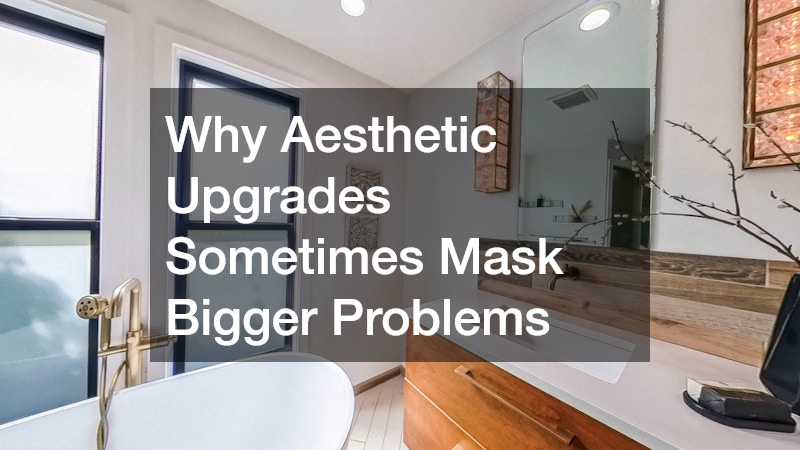
A fresh coat of paint or a statement wallpaper can make a room look renewed, but it can also hide warning signs of moisture damage, pest activity, or structural wear. Homeowners sometimes redecorate over a problem instead of addressing it, which allows the underlying issue to worsen unnoticed. This is particularly common in older homes where trend updates are used to mask aging infrastructure.
If you notice recurring stains, odd smells, or small pests before you begin a redecorating project, it is worth pausing to investigate further. In many cases, a north carolina exterminator can identify whether an infestation is contributing to the damage you are trying to cover up. Addressing the root cause first protects your investment far better than any new decor ever could.
How Roof Neglect Undermines Interior Design Choices
It is tempting to spend on eye-catching light fixtures or ceiling treatments while ignoring the roof overhead, but roof problems can quickly ruin any interior upgrade. Water stains, sagging drywall, and mold growth often trace back to roofing issues that went unnoticed for months or years. No amount of stylish decor can compensate for a ceiling that is actively deteriorating.
Scheduling a periodic inspection with a qualified roofing contractor is one of the most overlooked steps in home care, yet it directly protects everything inside your home. Catching a small leak early is far less expensive than repairing both the roof and the interior finishes it damaged.
- Watch for granule loss or curling shingles as early warning signs
- Address flashing issues around chimneys and vents promptly
- Schedule inspections after major storms
- Keep attic ventilation in good condition to prevent moisture buildup
The Overlooked Connection Between Plumbing and Home Value
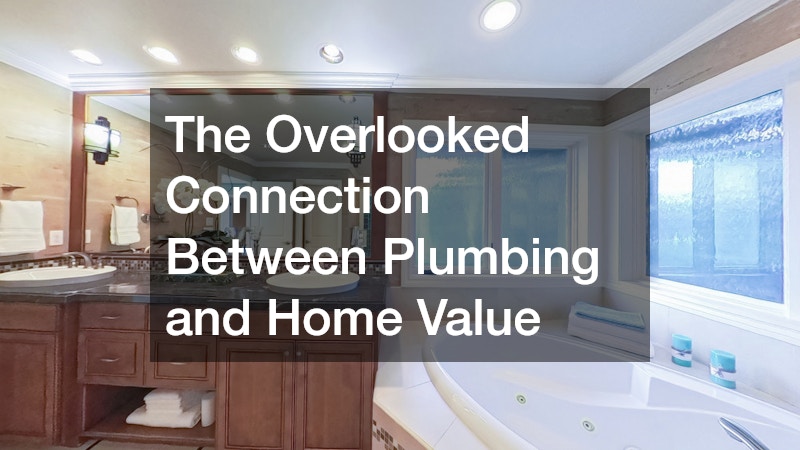
Trendy fixtures like matte black faucets or waterfall showerheads get plenty of attention, but the pipes behind the walls rarely do. Old or corroded plumbing can lead to leaks that damage flooring, cabinetry, and walls, undoing any cosmetic upgrade in the process. Many homeowners do not think about plumbing until something goes wrong, at which point the repair is often more disruptive and costly.
A reputable plumbing company can assess your home’s pipe age, water pressure, and drainage system before you invest heavily in bathroom or kitchen redesigns. This kind of proactive check helps you avoid ripping out brand-new tile or cabinetry because of a hidden leak. Prioritizing plumbing health ensures your design choices actually last.
Balancing Style With Efficient Heating and Cooling Systems
An open-concept renovation or a dramatic accent wall might look stunning, but if it disrupts your home’s airflow, you could end up with uneven temperatures and higher energy bills. Structural changes made purely for aesthetics sometimes interfere with ductwork or vent placement, creating comfort problems that are expensive to fix later. It is worth consulting professionals before finalizing any layout change that affects airflow.
Experienced HVAC contractors can evaluate whether a planned renovation will affect your system’s efficiency and recommend adjustments before construction begins. Skipping this step can mean paying twice: once for the renovation and again for the corrective work needed to restore proper heating and cooling. A little planning upfront prevents a lot of frustration later.
- Confirm vent and duct placement before removing walls
- Ask about airflow impact when converting rooms into open spaces
- Check insulation levels when altering room dimensions
- Request an efficiency assessment after major layout changes
When Seasonal Comfort Upgrades Are Worth the Investment
Not every home upgrade is purely cosmetic, and some seasonal investments genuinely improve comfort without following a fleeting trend. Keeping your home’s temperature regulated year-round often matters more than any single design element, especially during extreme weather. Unlike a repainted accent wall or a new throw pillow arrangement, a well-functioning HVAC system quietly protects your health, your budget, and your home’s structural integrity.
Partnering with a reliable heating and cooling company for regular tune-ups can extend the life of your system and prevent costly emergency repairs. A furnace or air conditioner that’s serviced annually can often run efficiently for 15 to 20 years, while neglected systems tend to fail years earlier and at the worst possible moment. Simple maintenance tasks like replacing filters, cleaning coils, and checking refrigerant levels are inexpensive compared to a full system replacement, which can easily run into the thousands of dollars.
Beyond longevity, a properly maintained system also keeps energy bills predictable, since a struggling unit has to work harder to reach the same temperature. Sealing drafts, upgrading insulation, and scheduling seasonal inspections before peak summer or winter demand can further reduce strain on the equipment. These are the kinds of upgrades that never go “out of style,” because comfort and reliability are always in demand.
Unlike trend-driven purchases, investments in comfort tend to pay off through lower energy bills and fewer breakdowns. A well-maintained HVAC system, for instance, can run 10-15% more efficiently than a neglected one, and sealing drafts around windows and doors often pays for itself within a year or two through reduced heating and cooling costs.
Scheduling seasonal maintenance twice a year, in spring and fall, helps catch small issues before they become major expenses. Spring checkups typically focus on air conditioning units, gutters, and roof inspections after winter wear, while fall visits should cover furnace tune-ups, chimney cleaning, and weatherstripping. Catching a failing capacitor or a cracked heat exchanger early can mean a $200 repair instead of a $5,000 replacement.
Other worthwhile comfort upgrades include programmable thermostats, attic insulation, and water heater flushes, all of which extend equipment life while keeping monthly utility costs predictable. These aren’t glamorous purchases, and they rarely show up in a home tour or a social media post. But this is one area where consistency truly beats novelty, since the savings compound quietly year after year.
- Schedule HVAC tune-ups before peak summer and winter months, ideally in spring and fall when technicians are less booked
- Replace air filters every 60-90 days (monthly if you have pets) to maintain efficiency and lower energy costs
- Monitor unusual noises, rattles, or burning smells from your system, which often signal small issues before they become expensive repairs
- Track energy bills month over month for sudden spikes that signal a failing unit, leaky ductwork, or poor insulation
- Seal drafty windows and doors before winter to prevent heat loss and reduce strain on your heating system
- Budget for a system replacement every 15-20 years rather than waiting for a complete breakdown in extreme weather
Choosing Functional Statement Pieces Over Fleeting Trends
Some decor choices manage to be both stylish and genuinely useful, which makes them a smarter long-term investment than purely decorative trends. Electric fireplaces are a good example, offering ambiance and supplemental warmth without the maintenance demands of a wood-burning unit. They can be installed in more locations than traditional fireplaces and often come with adjustable settings that suit different room sizes.
Choosing pieces like this allows you to update your space with confidence, knowing the investment serves a practical purpose beyond appearance. When evaluating any trendy item, ask whether it will still be functional and appealing five years from now, not just this season.
- Look for adjustable heat settings to match room size
- Consider energy consumption before purchasing
- Choose designs that complement multiple decor styles
- Prioritize safety features if children or pets are in the home
Protecting Bedding Investments From Everyday Wear
Bedroom decor trends change often, from color palettes to layered textures, but the practical components of a bed are frequently overlooked. Spills, allergens, and moisture can shorten the lifespan of expensive bedding far faster than style changes ever would. A waterproof bedsheet offers a practical layer of protection that helps maintain the appearance and hygiene of your bedding investment.
This kind of protective measure is especially useful in households with children, pets, or anyone prone to night sweats or spills. Rather than replacing entire bedding sets due to stains or damage, a protective layer allows you to preserve both your investment and the room’s overall look. Practical choices like this often go unnoticed but deliver real value over time.
Responding Quickly to Water Damage Before Redecorating
Water damage is one of the most common reasons decor updates fail to last, especially when the source of the moisture is not fully resolved beforehand. Painting over a water stain or installing new flooring without addressing the underlying leak often leads to repeat damage within months. It is important to treat any moisture issue as a priority project rather than a minor inconvenience.
Professional water damage restoration services can identify moisture sources, dry out affected areas thoroughly, and prevent mold growth before you invest in new materials. Skipping this step to save time or money almost always costs more in the long run. Addressing water damage properly protects both your home’s structure and your decor budget.
- Look for warped flooring or bubbling paint as early signs of moisture
- Address musty odors promptly, even without visible damage
- Dry affected areas within 24 to 48 hours to prevent mold growth
- Document damage for insurance purposes before repairs begin
Upgrading Doors and Windows for Lasting Protection and Style
Homeowners often focus on interior doors and window treatments for style points, but exterior openings play a much bigger role in both safety and energy efficiency. Impact sliding doors offer a combination of storm protection, natural light, and modern design that holds up better than many purely decorative choices. They are particularly valuable in regions prone to severe weather, where standard doors can fail under pressure.
Beyond storm protection, these doors often improve insulation and reduce outside noise, adding everyday value beyond their appearance. Choosing durable exterior features like this over short-lived interior trends tends to offer a better return on investment. It is a practical upgrade that still delivers strong visual appeal.
Maintaining Exterior Systems That Protect Interior Upgrades
Gutters rarely make it into decor conversations, yet they play a critical role in protecting the interior updates homeowners work so hard to achieve. Clogged or damaged gutters can cause water to seep into walls, foundations, and basements, undoing renovations from the inside out. Regular gutter cleaning prevents this kind of damage and is far less expensive than repairing water intrusion after the fact.
This kind of maintenance task is easy to forget because it does not affect how a home looks day to day, but neglecting it can have serious consequences. Scheduling this upkeep twice a year, especially after heavy leaf fall, helps protect both your home’s structure and its interior finishes. Small, consistent maintenance tasks like this often provide the best return on investment of all.
- Clean gutters at least twice a year, more often near trees
- Check for sagging or pulling away from the roofline
- Ensure downspouts direct water away from the foundation
- Inspect for rust or cracks that indicate needed repairs
Chasing every new decor trend can feel exciting in the moment, but it often comes at the expense of the systems that truly protect your home’s value and comfort. By prioritizing maintenance and functional upgrades alongside style choices, you avoid the hidden costs that come with neglecting the basics. Start by evaluating your home’s most critical systems before your next redecorating project, and let genuine need guide your next investment rather than trend cycles.